Back Pain, Neck Pain, Sciatica? We’ve Got You Covered.
Chiropractic care focuses on diagnosing and treating mechanical disorders of the musculoskeletal and nervous systems, primarily through hands-on spinal manipulation and joint adjustments.
By correcting misalignments (often called subluxations) in the spine and extremities, chiropractors help remove excessive pressure from compressed nerves, reduce localized inflammation, and restore natural mobility to stiff joints.
This holistic, drug-free approach goes beyond simply masking symptoms; it addresses the underlying structural causes of pain to promote natural healing, improve nervous system communication, and provide lasting relief.
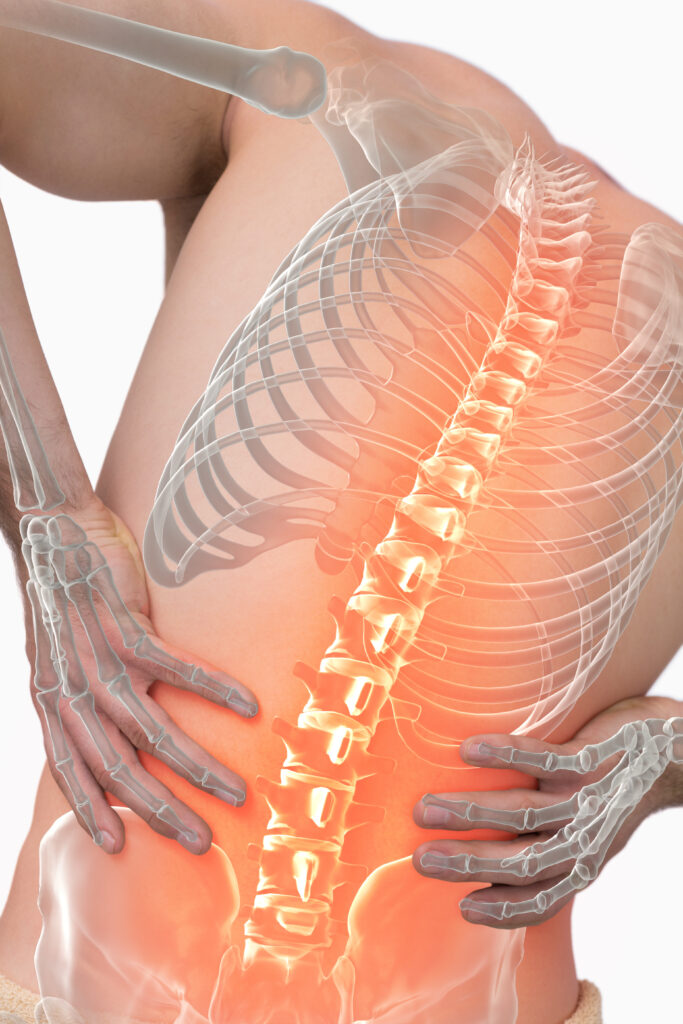
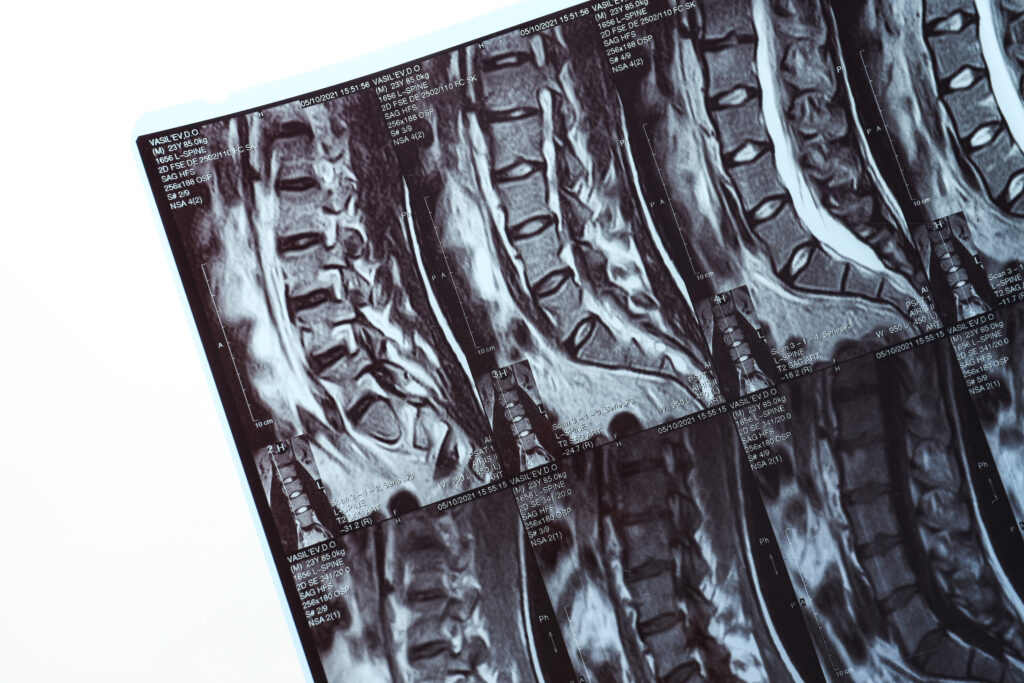
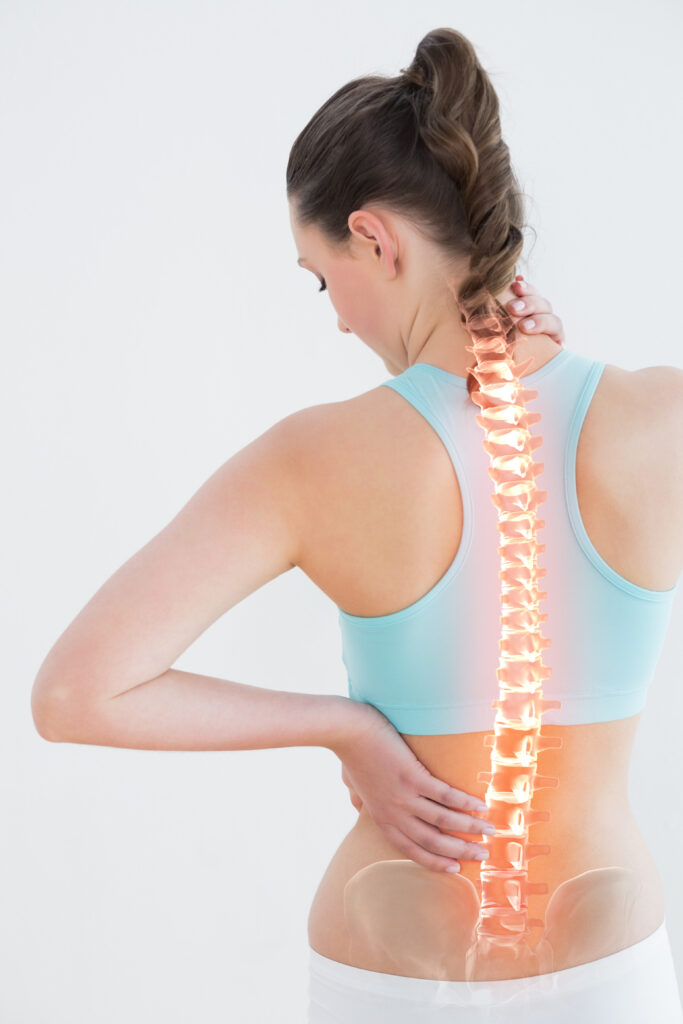
The most common reason people seek chiropractic care. Adjustments realign the lumbar spine, relieving the pressure and muscle tension that cause chronic or acute lower back aches.
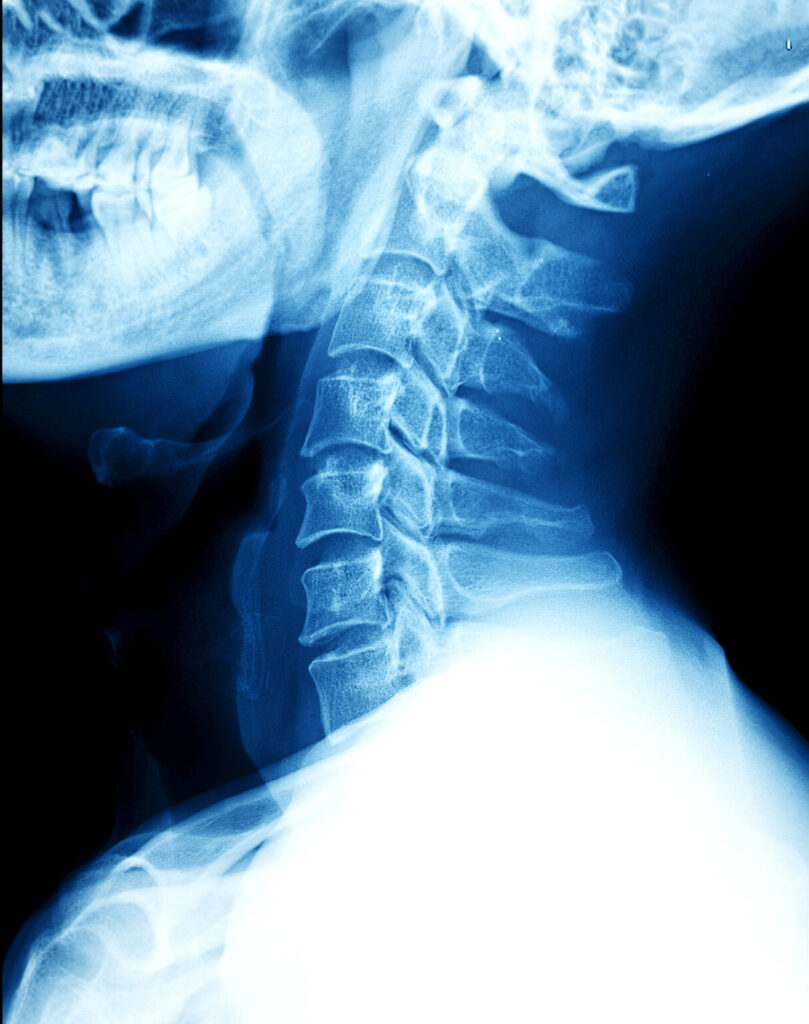
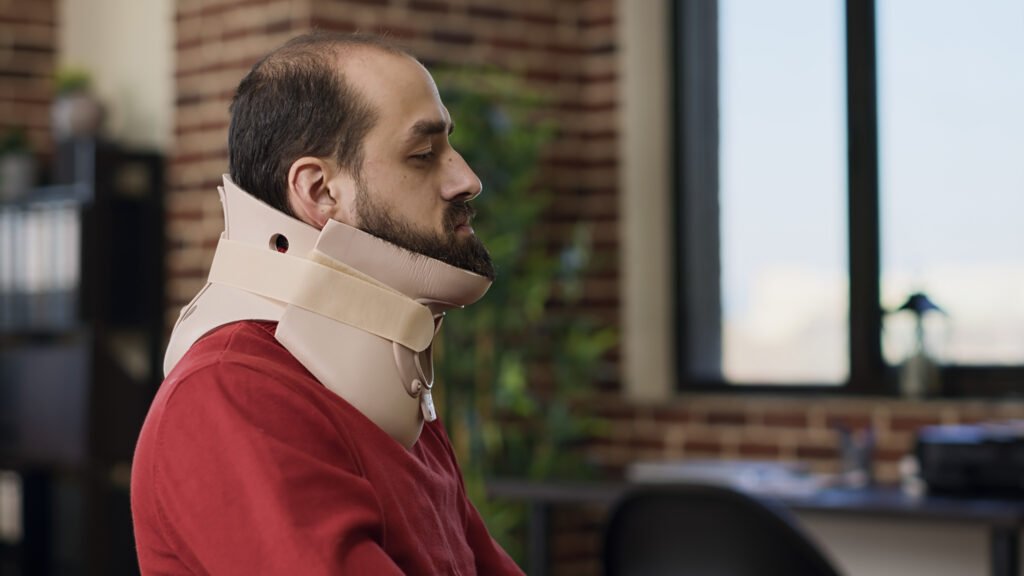
Often caused by poor posture, sleeping wrong, or stress. Cervical spine manipulations help restore the neck’s range of motion and reduce the stiffness in surrounding muscles.
A sharp, shooting pain that radiates from the lower back down the leg. Chiropractors adjust the lower spine and pelvis to take pressure off the compressed sciatic nerve.
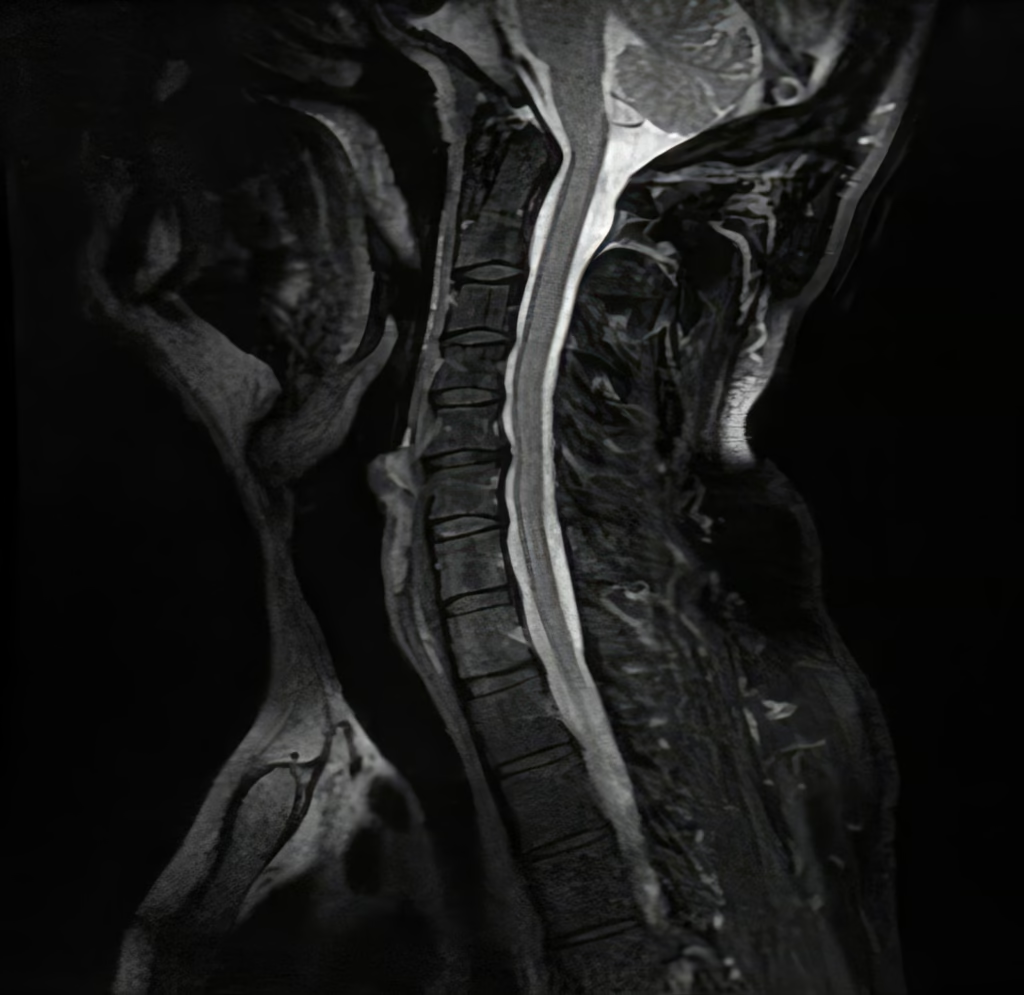
Nerve compression can cause numbness, tingling, and sharp pain. Adjusting the surrounding bones and tissues helps free the trapped nerve and restore proper signaling.
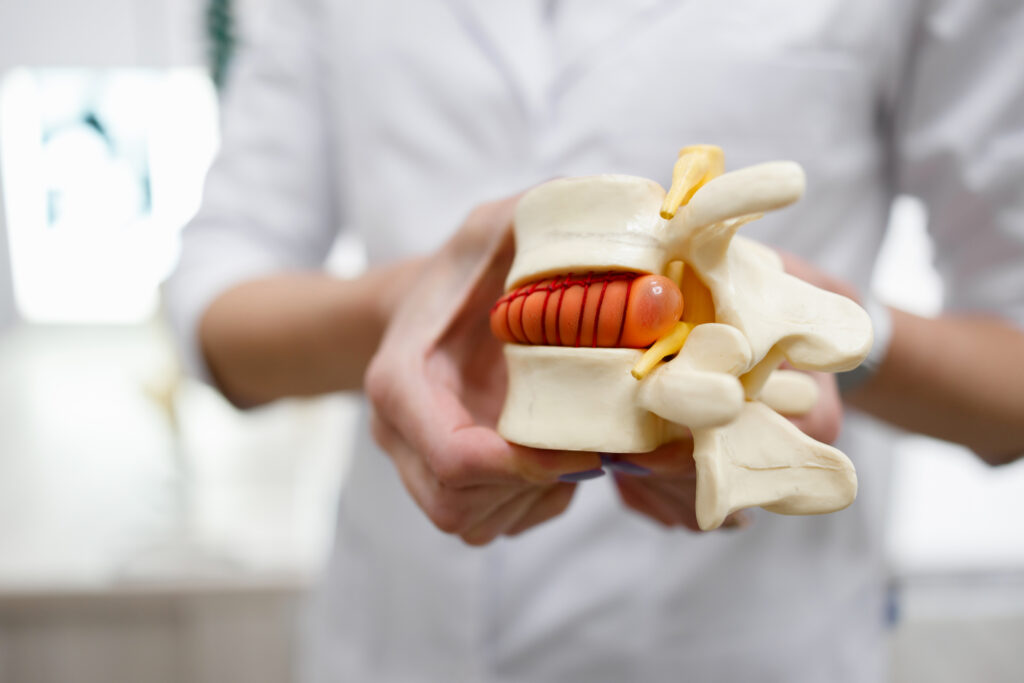
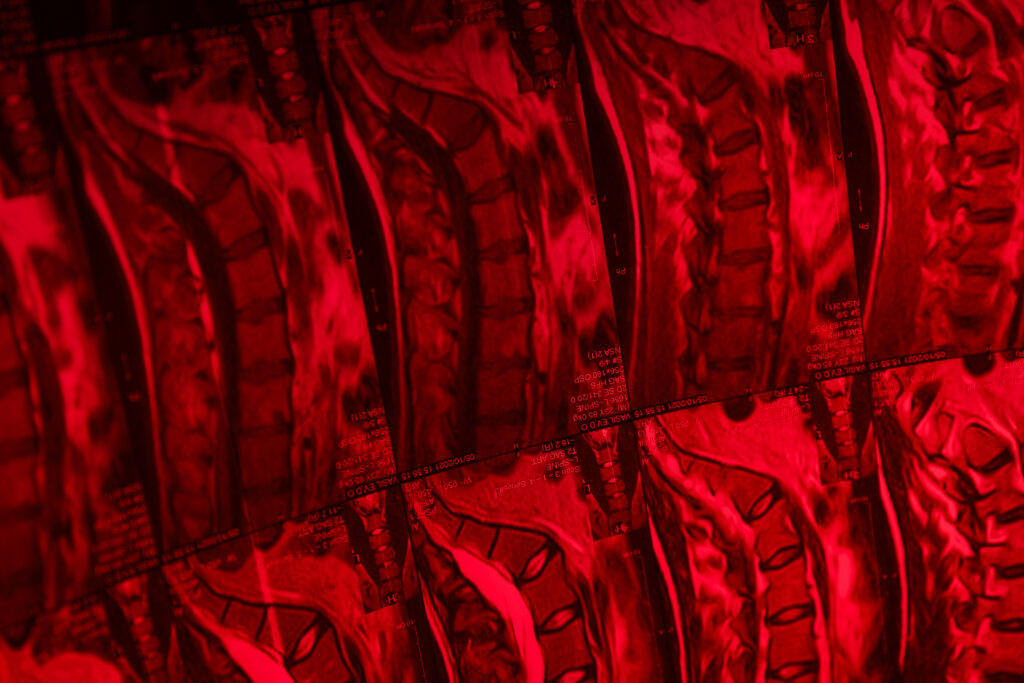
When a spinal disc slips or protrudes, it presses against nearby nerves. Non-invasive treatments like spinal decompression therapy create space between the vertebrae to allow the disc to heal.
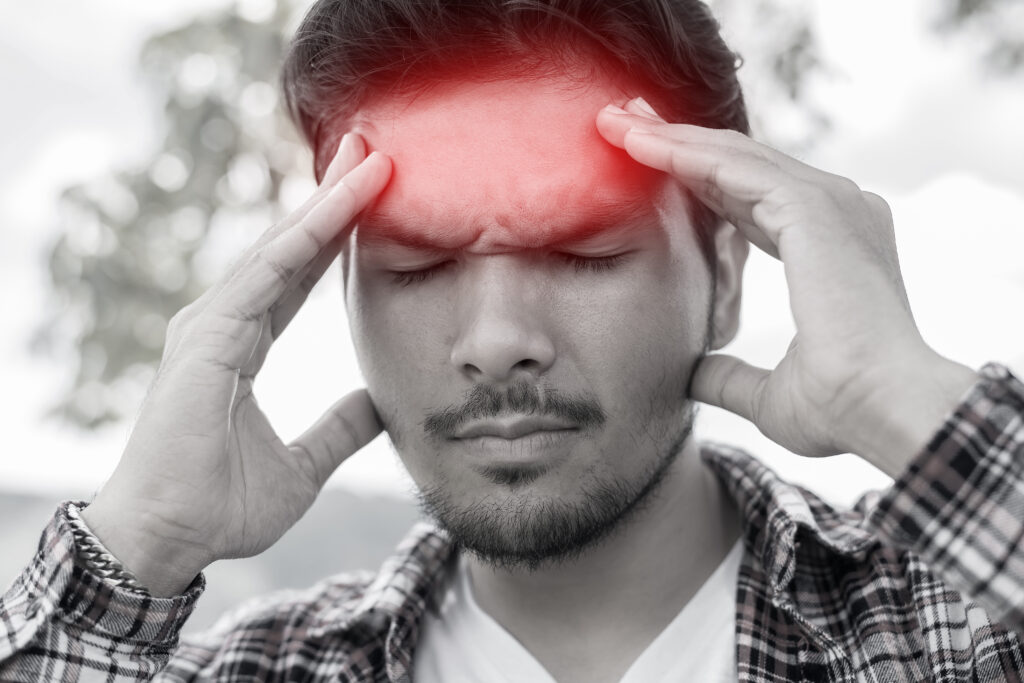
Severe, throbbing headaches often accompanied by nausea or light sensitivity. Upper cervical adjustments help improve blood flow and nerve communication to the brain, frequently reducing migraine frequency and intensity.
A dull, aching pain wrapping around the head, commonly caused by neck and upper back tension. Releasing the tight muscles and realigning the cervical spine provides rapid relief.
A rapid back-and-forth motion of the neck that tears ligaments and muscles. Chiropractors reduce the resulting inflammation and realign the cervical spine to heal the soft tissue properly.
As spinal discs age and thin out, bones can rub together and irritate nerves. Chiropractic care maintains spinal mobility and reduces the friction causing the pain.
Hunching over screens leads to forward head posture and upper back pain. Adjustments, combined with ergonomic advice, help realign the spine to its natural, upright curvature.
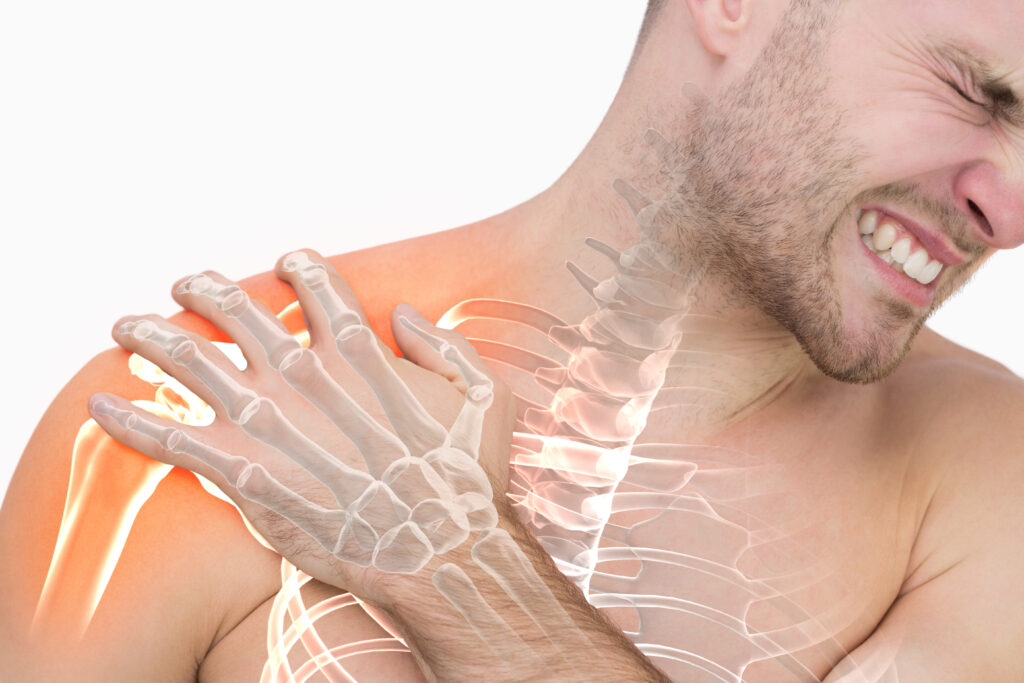
Whether from a frozen shoulder or rotator cuff issues, chiropractic adjustments to the shoulder joint and upper back can improve mobility and reduce localized nerve pain.
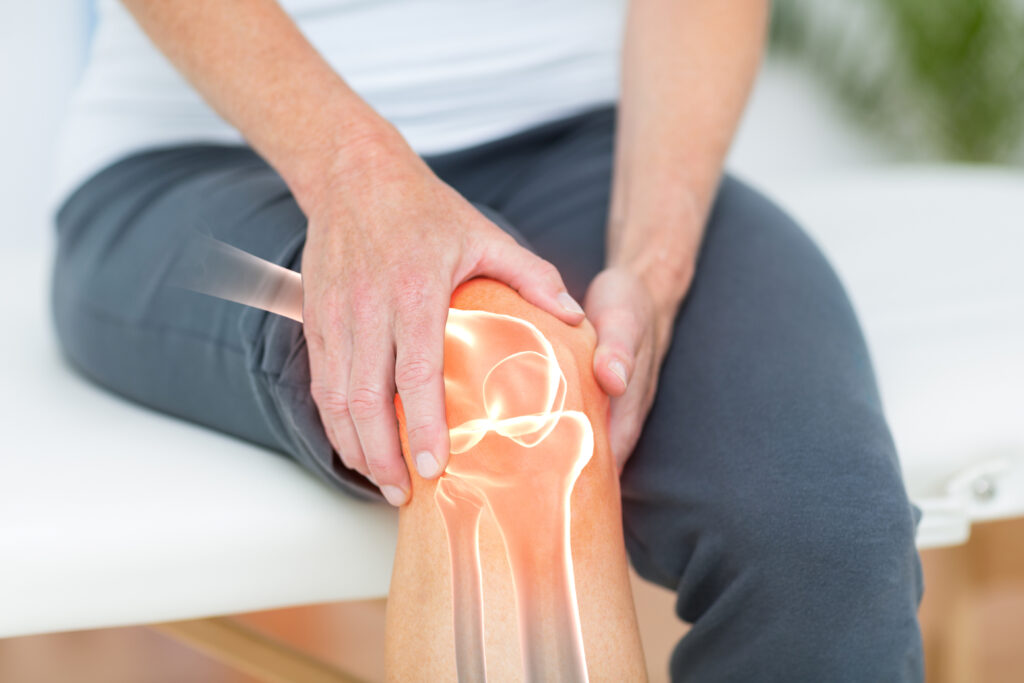
Often caused by tracking issues or pelvic misalignment throwing off the body’s gait. Chiropractors adjust the knee, hips, and ankles to ensure the leg bears weight evenly.
Tight, overworked muscles can pull the skeleton out of alignment. Chiropractors use soft tissue therapy and adjustments to release the tension and stop the spasm cycle.
Numbness and tingling in the hands caused by median nerve compression. Chiropractors adjust the wrist, elbow, and even the cervical spine (where the nerve originates) to relieve the pressure.
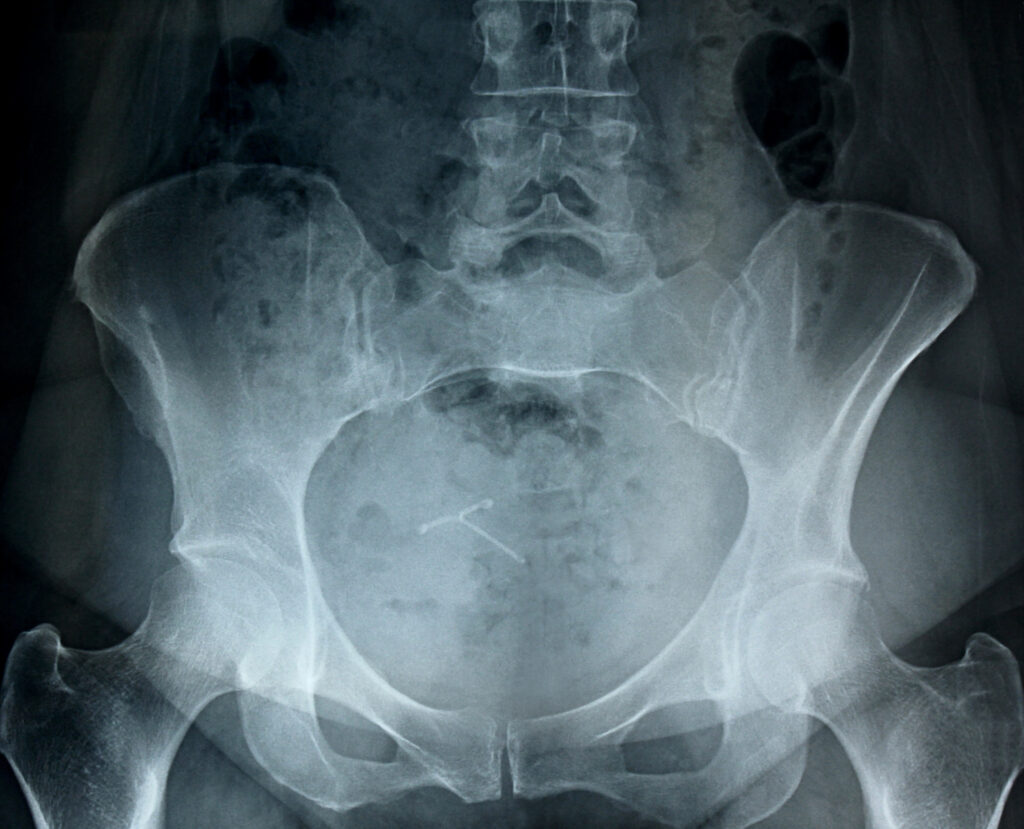
Pain at the very base of the spine where the pelvis connects. Chiropractic pelvic blocking and adjustments stabilize the joint and remove the sharp pain associated with SI dysfunction.
Pain, weakness, or numbness radiating down the arms or legs due to a compressed nerve root at the spine. Adjustments target the specific vertebra causing the root compression.
An unnatural sideways curvature of the spine. While it cannot be entirely “cured,” regular chiropractic care manages the pain, improves posture, and prevents the curvature from worsening.
From tennis elbow to sprained ankles, athletes search for non-surgical recovery. Extremity adjustments and soft-tissue work help speed up healing and restore biomechanical balance.
The rapid weight shifts during pregnancy put an immense strain on the lower back and pelvis. Specialized prenatal adjustments safely relieve this pelvic pressure and balance the body for a smoother delivery.